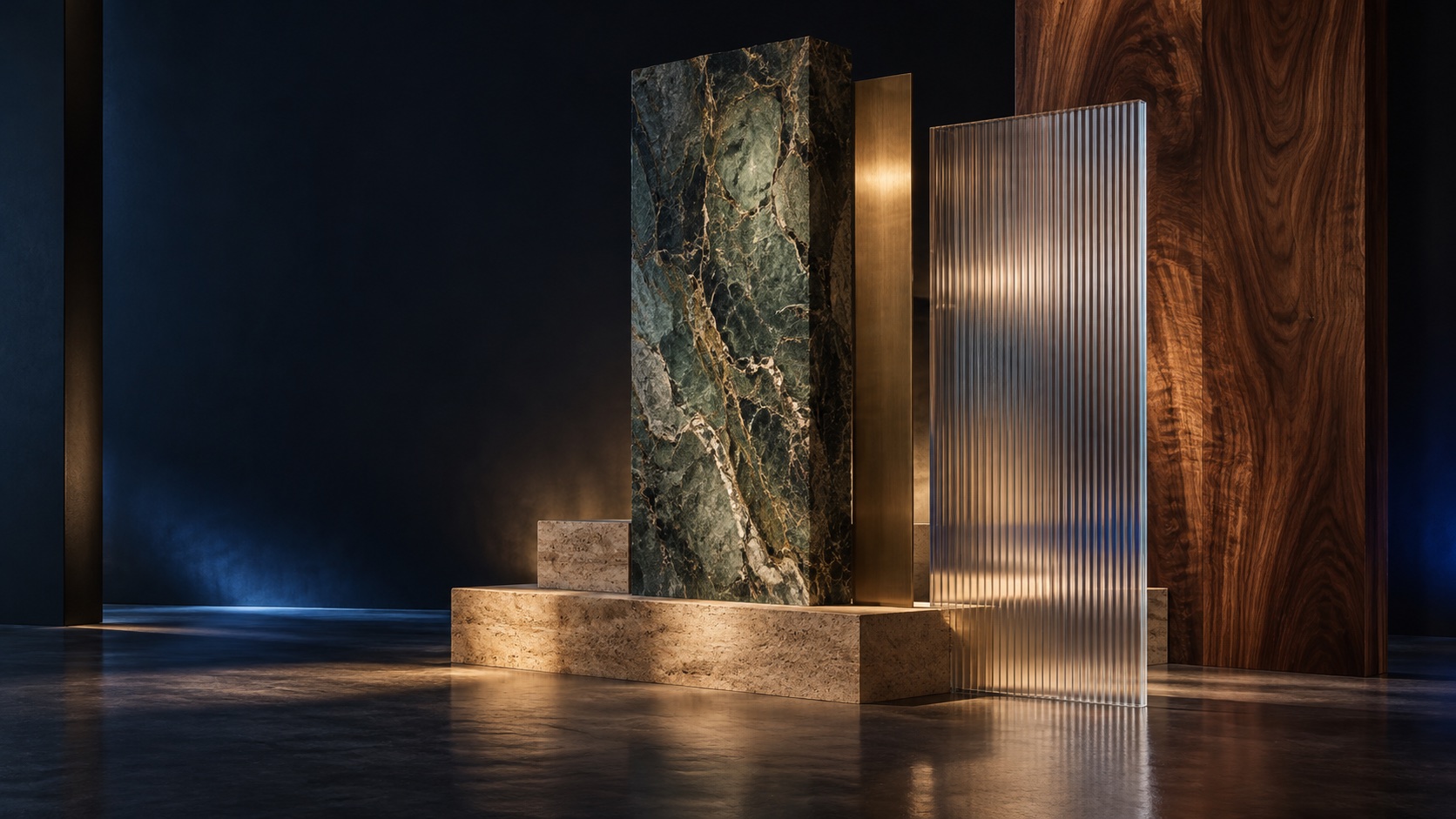
Digital material study of an architectural gallery with wood, mineral and metallic surfaces

Metro Millwork · The material museum

A world
in every
surface.

Grain. Light. Weight. Motion. Walk through the materials that give a room its character—and the decisions that make them work together.

Enter the collection

Digital material study

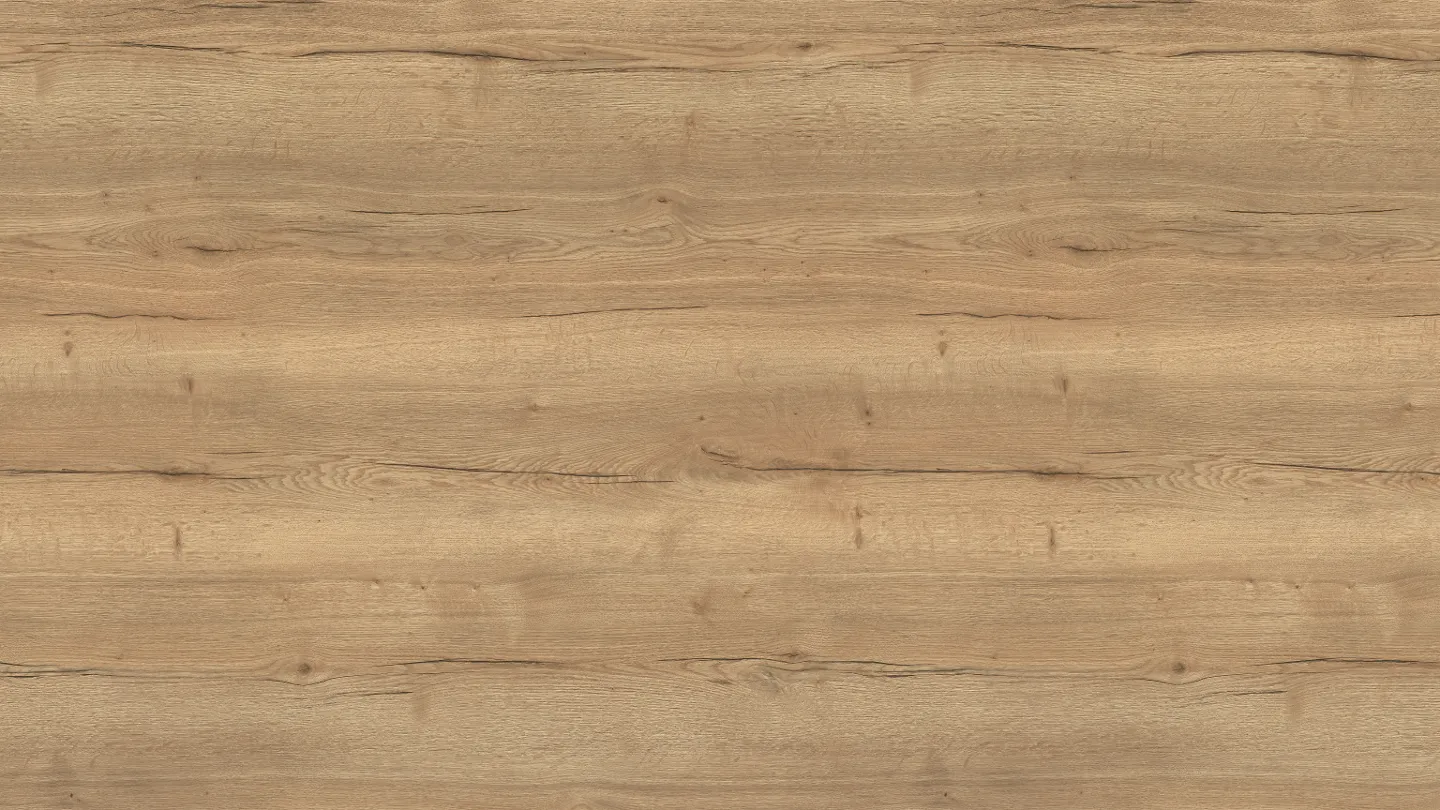
EGGER manufacturer decor image of H1180 ST37 Natural Halifax Oak
EGGER H1180 ST37 Natural Halifax Oak · manufacturer decor image

01 / Engineered surfaces

A whole world.
One surface at a time.

The quiet consistency of a woodgrain. The depth of a mineral tone. The soft reflection of a matte finish. Engineered surfaces turn a design language into a coordinated room.

EGGER H1180 ST37 Natural Halifax Oak — An oak reproduction paired with ST37 Feelwood Rift synchronized texture. Grain direction and the relationship between decor and surface texture are central to the selection.

Inside this material

Begin with what you see, then look beneath it. The decor, texture, core, edge and backing are separate decisions. Together, they determine how a cabinet reads at a distance and how it feels when your hand finds the edge.

EGGER is one reference point for exploring decorative surfaces. Use a manufacturer’s current decor and texture references to begin a conversation; confirm the exact product, regional availability and physical sample before specifying.

Three questions before you specify
The face
Which decor, texture and sheen create the right visual rhythm?
The construction
Which substrate, thickness, balanced assembly and edge detail suit this application?
The evidence
What does the selected product’s technical sheet say about its intended use and care?
Read the specimen notes · 11 studies

EGGER H1180 ST37 Natural Halifax Oak

An oak reproduction paired with ST37 Feelwood Rift synchronized texture. Grain direction and the relationship between decor and surface texture are central to the selection.

Bring to the specification: Confirm the current regional board, laminate and edge availability, exact product construction and physical sample with the supplier.

Woodgrain laminate

A study in linear grain and warm, repeatable color. Think of the entire elevation, including the edges, rather than one isolated door.

Bring to the specification: Confirm the decor reference, texture direction, laminate grade, substrate and matching edge.

Mineral-look surface

A quiet mineral expression for casework and wall elements where the design calls for a stone-like character.

Bring to the specification: Compare the real sample in the project lighting. Confirm product construction and suitability for the location.

Textile-look surface

The visual softness of a woven pattern, translated into a decorative surface. A useful counterpoint to sharper woodgrain and metal lines.

Bring to the specification: Review pattern scale, cleanability, seams and edge treatment in a sample assembly.

High-gloss acrylic finish

Reflection becomes part of the composition. Light, adjoining colors and the flatness of the underlying work all become more visible.

Bring to the specification: Approve the actual product, backing, edge detail and manufacturer’s cleaning instructions.

Wrapped decorative foil

A continuous-looking face across a routed profile. The transition from flat plane to shaped edge is the central design question.

Bring to the specification: Confirm the selected foil, substrate, profile limitations, seams and heat or moisture exposure requirements.

MDF core

Fine wood fibers form a panel used beneath many painted and veneered surfaces. What happens at the face begins with the core.

Bring to the specification: Specify the grade and intended environment; standard MDF is not a blanket solution for wet conditions.

Particleboard core

A panel construction commonly found beneath decorative casework surfaces. The finished assembly matters more than the material name alone.

Bring to the specification: Review panel grade, hardware fixing, edge protection and the performance requirements for the application.

Birch plywood

Visible layers can become a deliberate edge detail, or remain the hidden structure beneath a finished surface.

Bring to the specification: Confirm the actual plywood construction, face grade, edge appearance and supplier specification.

Marine plywood

A specification category to investigate when moisture exposure is part of the brief. The grade name does not make the finished assembly waterproof.

Bring to the specification: Verify the applicable panel specification, edge sealing, finish system and conditions of use.

Phenolic-faced plywood

A dark, purposeful surface expression. Face, edge and fixing details still need to be resolved as a complete assembly.

Bring to the specification: Confirm the exact product’s intended application, face properties and edge protection.
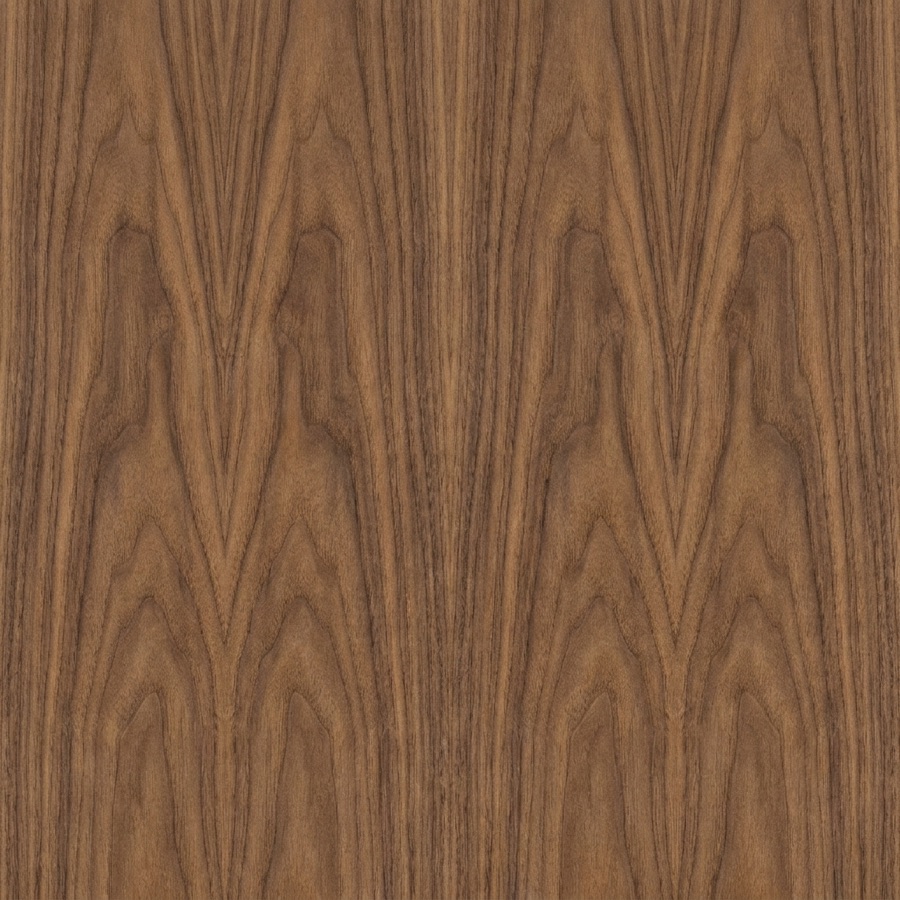
Illustrative material study: Bookmatched walnut
Illustrative material study

02 / Veneer & color

Read the room
leaf by leaf.

Veneer is real wood expressed as a surface. A sequence of leaves can make a wall feel calm, a pair of doors feel intentional, or a single cabinet become the center of a room.

Bookmatched walnut — Mirrored figure creates a centerline and a sense of ceremony. Plan the composition across doors, joints and the full elevation.

Inside this material

The important choice is often the composition: straight grain or cathedral figure, a mirrored bookmatch or a quieter slip match, one uninterrupted sequence or a deliberate change of direction.

TABU opens another conversation: dyed and multilaminar wood veneers, where color and pattern become part of the material’s design. Explore the manufacturer’s range, then bring the chosen reference back to a real sample and a project-specific layup.

Three questions before you specify
The cut
How should the grain move across the surface?
The match
How do adjacent leaves and adjoining panels relate?
The finish
How does the approved finish change color, contrast and reflection?
Read the specimen notes · 6 studies

Bookmatched walnut

Mirrored figure creates a centerline and a sense of ceremony. Plan the composition across doors, joints and the full elevation.

Bring to the specification: Review a veneer layout and a finished sample; confirm sequence and panel orientation.

Figured anigre

A pale, luminous study in figure. As the angle of view changes, the surface can read differently under the same light.

Bring to the specification: View the finished sample from several angles and in the intended lighting.

Eucalyptus veneer

A study in ribbon-like figure and deep tonal contrast. The sample, treatment and finish define the final expression.

Bring to the specification: Confirm the species, treatment, matching method and approved finish rather than relying on a screen color.

Macassar-style figure

Dark and light stripes create a strongly directional surface. Small changes of orientation can transform the composition.

Bring to the specification: Verify the actual species or reconstructed product, origin documentation and the final sample.

Burl figure

Clusters, swirls and irregularity become the point. A small specimen suggests the character; a full layout reveals the composition.

Bring to the specification: Approve the selected leaves and layout, including natural variation and joints.

Quartered teak veneer

A restrained study in warm, linear grain. The rhythm can continue across multiple panels when the sequence is planned.

Bring to the specification: Confirm species, cut, sequence, substrate and the finish sample.

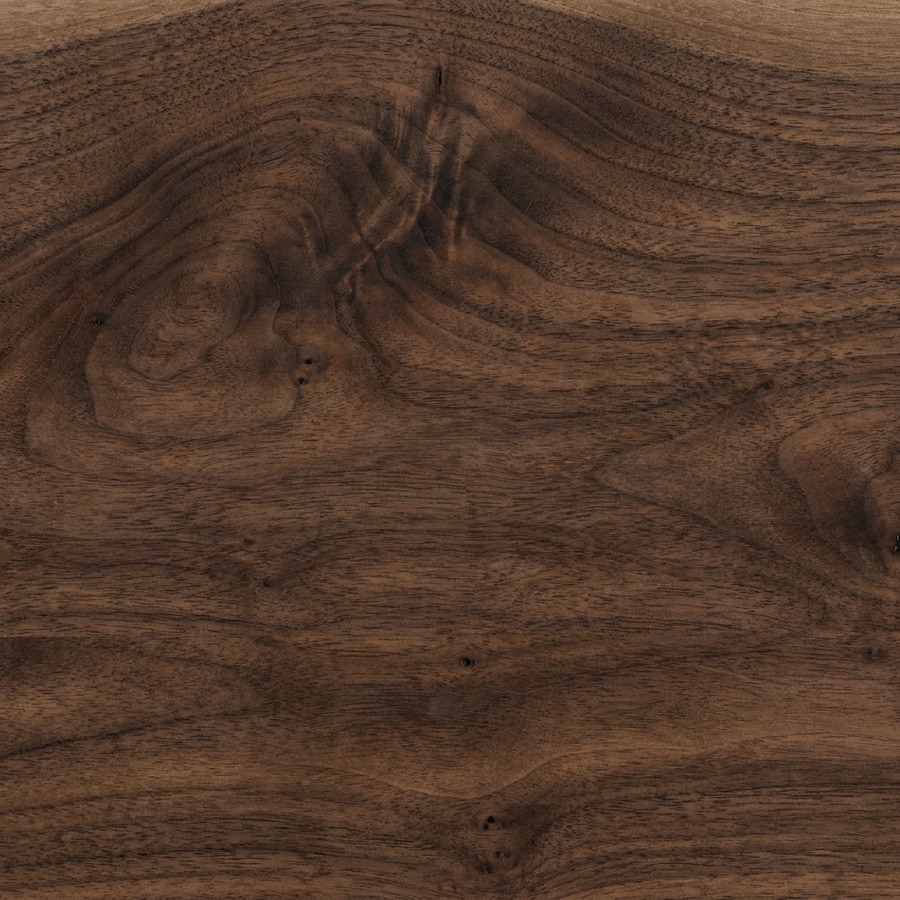
Illustrative material study: Walnut
Illustrative material study

03 / Solid wood

The grain
runs deeper.

Here, the material has a face, an edge and a history. Solid wood brings the grain through the depth of an object: a handrail, a table edge, a carved detail, the part your hand remembers.

Walnut — Chocolate and amber tones with a grain that can move from quiet lines to broad figure.

Inside this material

Species gives you a starting point. The cut, board selection, natural variation, joinery and finish give you the actual piece. A walnut sample is a conversation about one possible walnut, not a promise that every board will look identical.

Wood responds to changes in moisture. Good detailing accounts for that movement in the way parts are joined, supported and connected to other materials. The room and the assembly belong in the same conversation.

Three questions before you specify
The character
Quiet and consistent, or expressive with visible variation?
The grain
Straight, cathedral, ribbon or a more irregular figure?
The assembly
Where does the wood need room to move, and how will the detail accommodate it?
Read the specimen notes · 12 studies

Walnut

Chocolate and amber tones with a grain that can move from quiet lines to broad figure.

Bring to the specification: Approve board character, grain direction, color variation and a finished sample.

White oak

An open-grained study with a broad vocabulary, from pale contemporary surfaces to deeper stained finishes.

Bring to the specification: Specify cut, grade, board selection and finish; the species name alone does not define the look.

Rift-cut oak

A linear grain study for interiors that ask for continuity and restraint.

Bring to the specification: Review grain consistency, board widths and the relationship between solid parts and adjacent veneer.

Red oak

Pronounced grain and a warmer undertone. Sample it alongside the room’s flooring and other woodwork.

Bring to the specification: Compare undertone, grain scale and finish against adjoining materials.

Maple

A pale, close-grained study that invites a quieter material composition.

Bring to the specification: Review natural variation and test the proposed clear or colored finish on the actual material.

Cherry

Warm color and fine grain give the surface a familiar, furniture-like character.

Bring to the specification: Discuss natural color change over time and approve the current finished sample.

Mahogany

A study in warm tone and elongated figure, suited to a conversation about depth and traditional proportion.

Bring to the specification: Confirm the exact species, sourcing information and the approved finish.

Teak

Warm brown grain with a distinct material character. Exposure and finish choices still need an application-specific review.

Bring to the specification: Confirm species, sourcing, finish compatibility and the intended environment.

Ash

Pale tone with a pronounced grain structure. A strong visual partner for darker metals and quieter surfaces.

Bring to the specification: Approve grain character, color selection and the relationship to adjacent panels.

Hickory

A study in contrast. Lighter and darker areas can become a deliberate part of the design.

Bring to the specification: Agree on the acceptable range of variation before fabrication.

Wenge

A near-dark visual study with a pronounced grain. Often most expressive when used with restraint.

Bring to the specification: Confirm species, sourcing, handling and finish requirements with the selected supplier.

Sapele

A warm, ribbon-like grain study that changes with orientation and light.

Bring to the specification: Review the actual cut, matching strategy and finished sample from more than one angle.

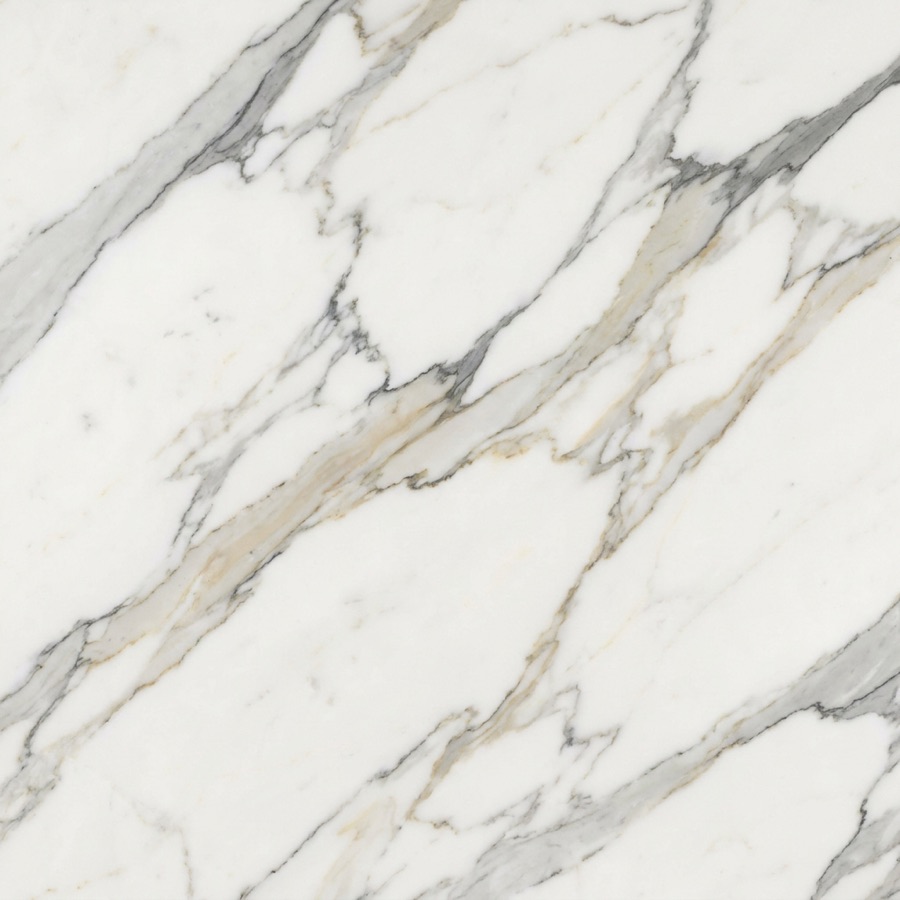
Illustrative material study: Marble-like veining
Illustrative material study

04 / Stone & mineral

Let the slab
lead the room.

A vein can become a line of architecture. A quiet field can give the woodwork room to speak. Stone brings mass, pattern and a different sense of time to the composition.

Marble-like veining — A pale ground with assertive veining. Think in elevations and corners, not just a flat rectangle.

Inside this material

Start with the actual slab or the selected manufactured-surface product. A small sample cannot describe the full path of a vein, the location of a seam or the way two faces turn a corner.

The millwork, stone fabrication and site conditions must be coordinated. Supports, cutouts, edge profiles, joints and installation sequence are part of the design—not decisions to leave until the slab arrives.

Three questions before you specify
The composition
Where should the strongest figure fall, and where should the surface be quiet?
The detail
How are thickness, edge profile, support and seams resolved?
The use
What care, sealing or exposure requirements apply to the selected material?
Read the specimen notes · 3 studies

Marble-like veining

A pale ground with assertive veining. Think in elevations and corners, not just a flat rectangle.

Bring to the specification: Select and approve the actual stone or manufactured product, slab layout, finish and care requirements.

Green mineral study

Deep green and lighter mineral movement create a focal point with an almost landscape-like character.

Bring to the specification: Confirm the actual stone identification and technical properties with the stone supplier; color does not establish performance.

Travertine-like warmth

Layered, warm mineral character that can sit comfortably beside pale wood and soft metallic tones.

Bring to the specification: Confirm the selected material, fill, finish, edge treatment, maintenance and intended use.

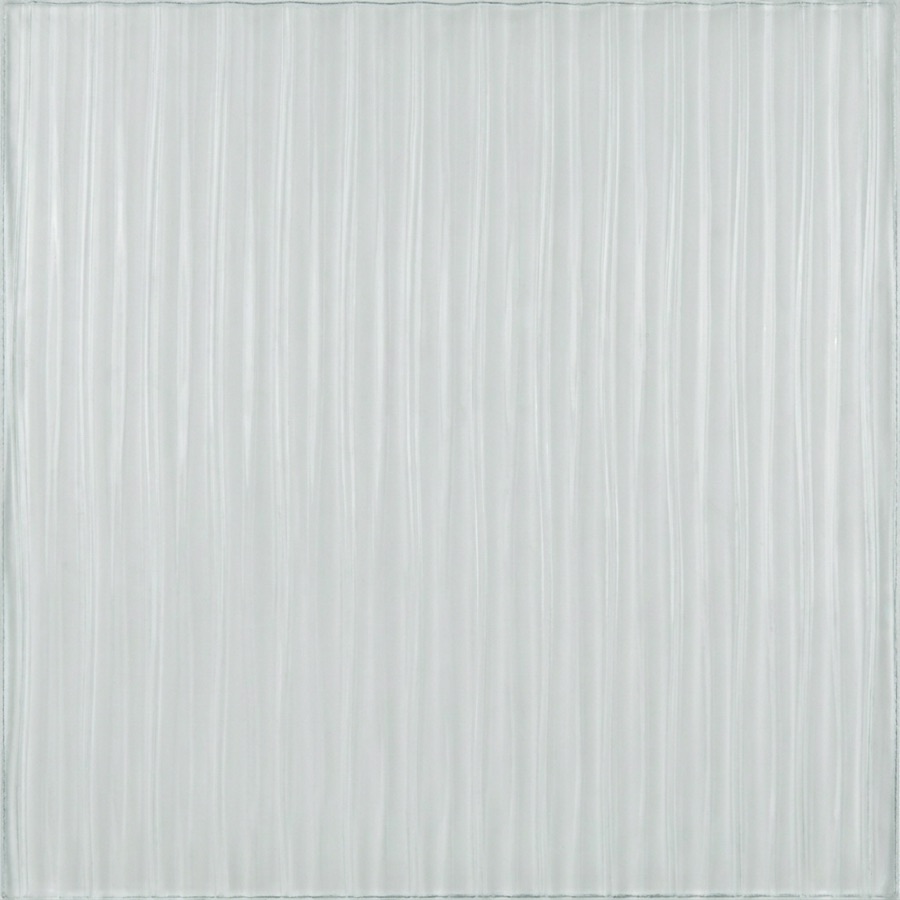
Illustrative material study: Reeded glass
Illustrative material study

05 / Glass & translucency

Give light
a material.

Glass can disappear, divide or diffuse. It can reveal a collection, soften a boundary, or make a room feel larger without adding another solid surface.

Reeded glass — Vertical rhythm lets light pass while changing the view through the panel. The degree of visual privacy depends on the selected product and conditions.

Inside this material

Clarity is only one choice. Texture, tint, reflection, translucency and the view through the edge all affect the result. Look at glass beside the exact wood, paint and metal it will meet.

Safety requirements, panel size, supports and hardware determine the construction. Glass and acrylic are different materials; a similar visual effect does not make them interchangeable.

Three questions before you specify
The view
Clear, filtered, obscured or reflected?
The edge
How does the edge color and detail meet the surrounding millwork?
The construction
Which safety, thickness and support requirements apply to this opening?
Read the specimen notes · 2 studies

Reeded glass

Vertical rhythm lets light pass while changing the view through the panel. The degree of visual privacy depends on the selected product and conditions.

Bring to the specification: Review the pattern, orientation, thickness and privacy effect at realistic viewing distances.

Frosted acrylic

A separate material family for a softer, diffused appearance. Consider it where the design calls for a luminous or translucent element.

Bring to the specification: Confirm the acrylic product’s fire, impact, cleaning and exposure requirements for the intended use.

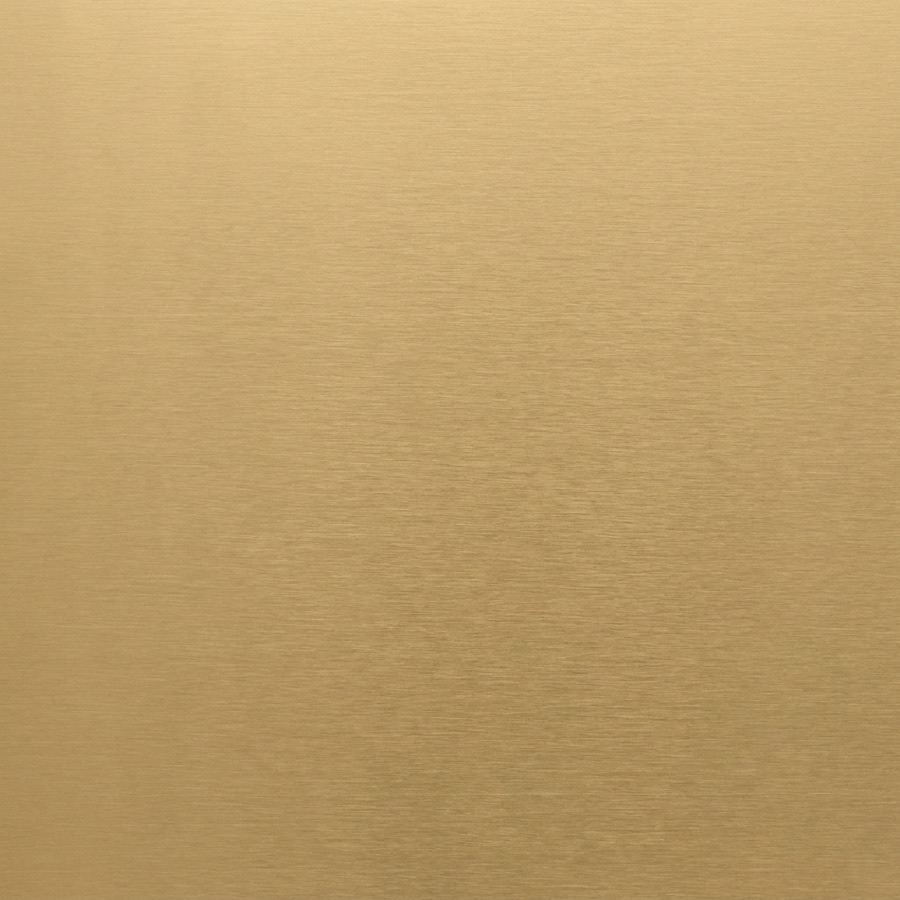
Illustrative material study: Warm metallic surface study
Illustrative material study

06 / Metals & fine edges

A fine line.
A lasting impression.

Sometimes the smallest material decision changes the entire room: the edge of a shelf, an inlay, a pull, a reveal that catches the light.

Warm metallic surface study — A brass-toned decorative surface, used here to explore warmth and reflection alongside wood. It does not identify a particular solid metal or alloy.

Inside this material

Warm brass tones, cool stainless steel, darkened finishes and coated aluminum each create a different relationship with the surrounding materials. Color is only the beginning; the metal, coating, sheen and fabrication detail must be specified together.

A metallic-looking laminate is not the same construction as a solid metal component. The study shown here illustrates a warm decorative metallic surface, not a certified alloy, finish standard or manufacturer swatch.

Three questions before you specify
The metal
What is the actual base material, rather than simply the visible color?
The finish
Brushed, polished, coated or patinated—and what variation is expected?
The meeting point
How will dissimilar materials, exposed edges, fixings and cleaning requirements be coordinated?
Read the specimen notes · 1 study

Warm metallic surface study

A brass-toned decorative surface, used here to explore warmth and reflection alongside wood. It does not identify a particular solid metal or alloy.

Bring to the specification: Approve the actual metal or decorative product, finish sample, edge detail and care instructions.

Explore the finish vocabulary
Brass tones
Review the actual alloy or coating, sheen and whether the intended appearance changes with use.
Stainless steel
Confirm grade, finish direction, fabrication details and the intended exposure.
Aluminum & coated finishes
Coordinate the component geometry, finish system, color reference and touch-up expectations.
Darkened & patinated finishes
Approve a physical range of appearance when variation is part of the finish.
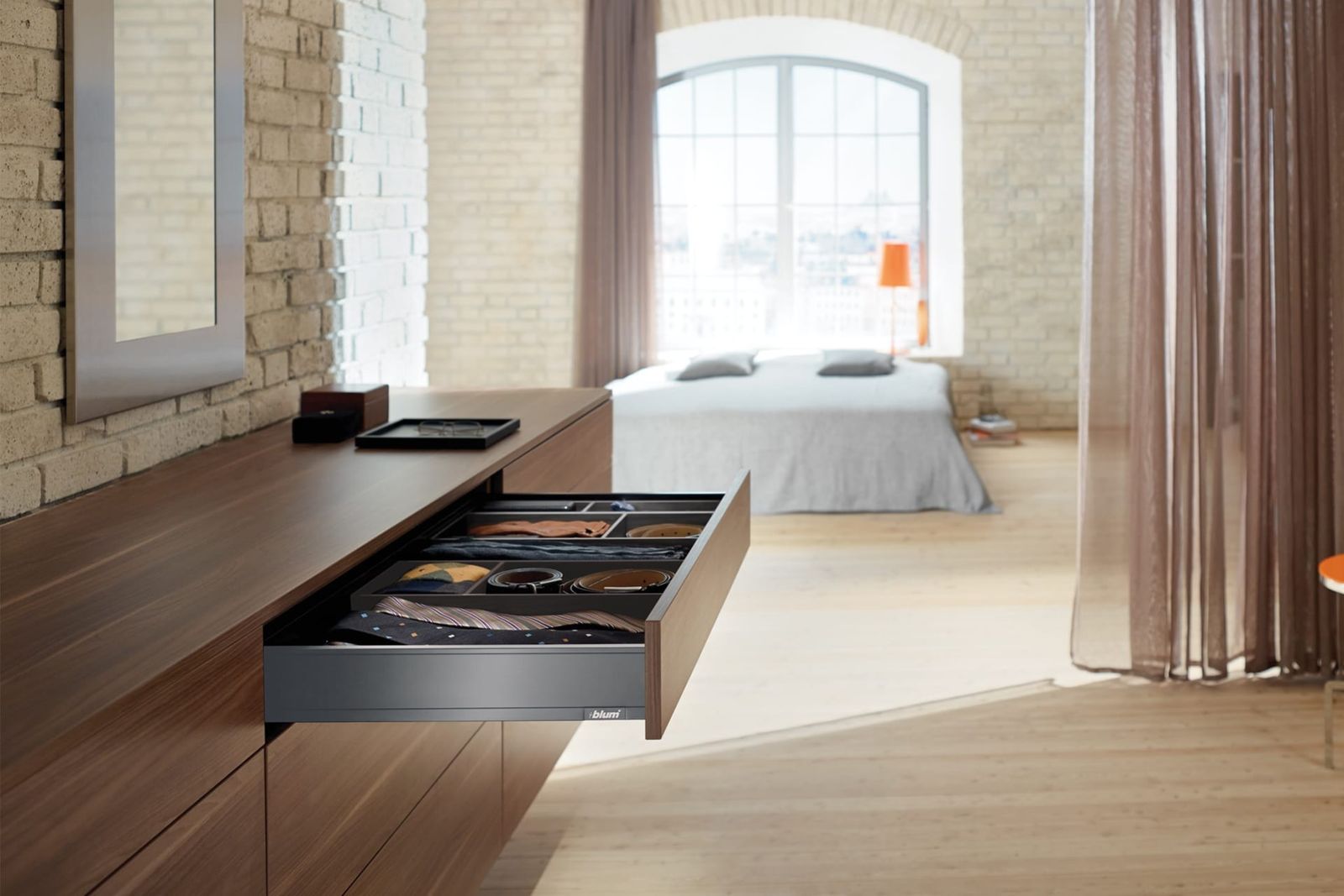
Blum manufacturer photograph of a LEGRABOX drawer in a bedroom installation
LEGRABOX · Manufacturer image: Blum

07 / Hardware & motion

The part you feel.
Every single day.

The door that opens without effort. The drawer that brings its contents into view. The cabinet that works around a person, instead of asking the person to work around it.

BLUM LEGRABOX — A slim-sided metal drawer system with full extension. BLUMOTION soft closing is part of the product conversation; optional electrical or mechanical opening assistance depends on the selected configuration.

Inside this material

Hardware is a system, not a finishing touch. A door’s size, weight and construction shape the hinge choice. A drawer’s dimensions and contents shape the runner and drawer-box selection. Those decisions belong in the drawings.

BLUM is a starting point for exploring hinges, lift systems and drawers. Hettich offers other systems to investigate against the needs of the project. A brand name never replaces the exact model, application limits and installation information.

Three questions before you specify
The motion
Swing, slide, lift, fold or pivot?
The fit
Which model supports this specific size, weight and construction?
The experience
How should access, opening force, closing action and adjustment feel?
Read the specimen notes · 2 studies

BLUM LEGRABOX

A slim-sided metal drawer system with full extension. BLUMOTION soft closing is part of the product conversation; optional electrical or mechanical opening assistance depends on the selected configuration.

Bring to the specification: Confirm the precise system, dimensions, finish, load requirements and compatibility. Review SERVO-DRIVE or TIP-ON BLUMOTION options against the actual application.

BLUM CLIP top BLUMOTION

The hinge sits behind the face, but it determines how the door opens, clears adjacent surfaces and closes. The exact model and mounting arrangement make the difference.

Bring to the specification: Select the actual hinge and mounting plate for the application, opening angle, door size and manufacturer’s installation guidance.

08 / The specification salon

Now make
it yours.

A compelling palette becomes a buildable project when the samples, drawings and details agree. Bring us the references that caught your eye. We’ll work through the assembly, the interfaces and the decisions still to make.

  1. Bring the room

    Start with plans, elevations, lighting, adjacent finishes and the way the space will be used.

  2. Build the palette

    Compare full-size or representative physical samples together, in the light the room will actually have.

  3. Resolve the detail

    Connect the face to its core, edge, joint, hardware and adjoining materials. Turn the visual idea into an assembly.

  4. Record the choice

    Identify manufacturer and product reference where applicable, finish, sample approval, care requirements and substitutions.

Use these studies to choose a direction. Confirm colors and finishes with physical samples and current product information; availability is checked for your project. Manufacturer links are references, not claims of affiliation.

Build a palette with Metro See how sample approvals work

Next

Let's build.
Emailhello@mdbmia.com
Phone(305) 300-7996
Shop
2040 Dewey St, Hollywood, FL 33020